


A commercial fence is one of the largest capital investments a property makes in its perimeter, and like any major structure, it performs best with a little ongoing attention. Facility managers and property owners often treat fencing as a one-time install and forget about it until something breaks. But a proactive maintenance routine catches small issues, rust spots, loose hardware, a gate operator that’s starting to lag, before they turn into costly repairs or safety liabilities.
At Triangle Fence, we build fences meant to last for decades, and we also field a steady stream of repair calls for fences that could have gone years longer with basic upkeep. Most of the time, the difference between a fence that lasts thirty years and one that needs early replacement isn’t the materials. It’s whether anyone was checking on it along the way. Here’s what a solid maintenance plan for commercial fencing actually looks like, and how to build one that fits into a facility manager’s existing routine.
Why Maintenance Matters More on Commercial Properties
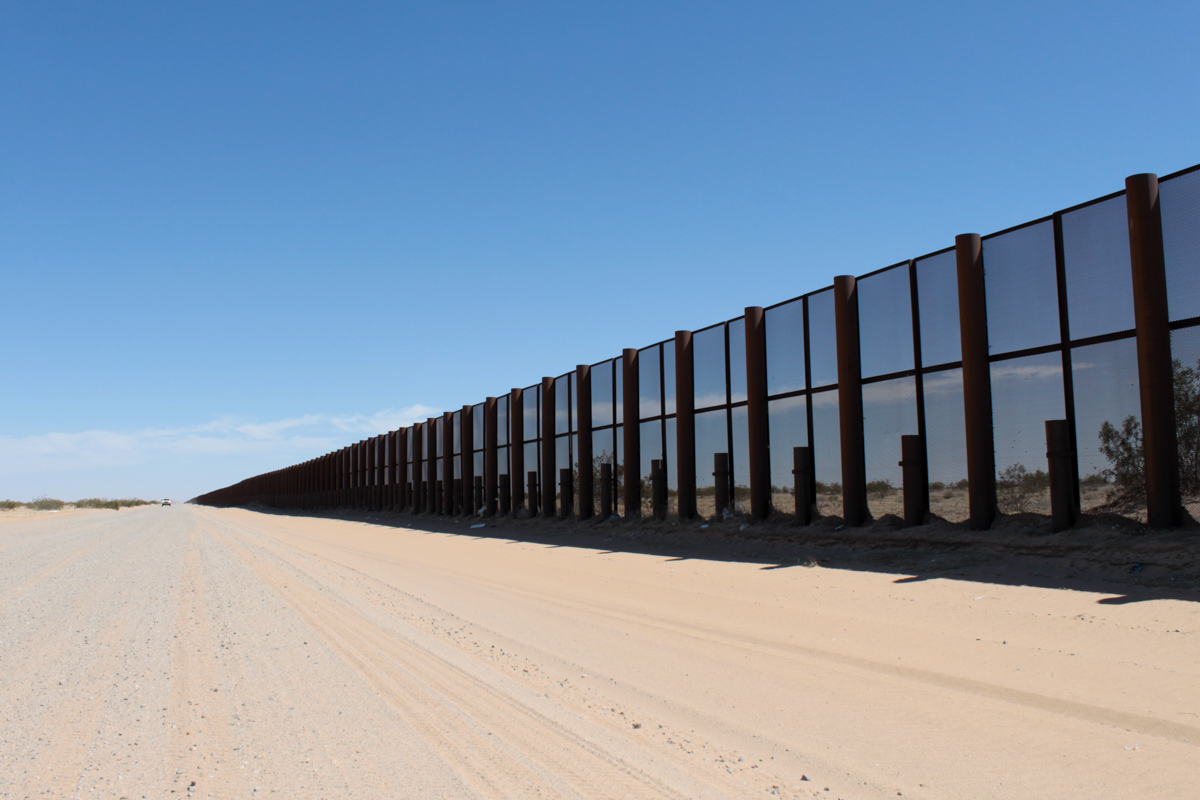 Commercial and industrial fences work harder than residential ones. They’re exposed to more foot and vehicle traffic, they often secure valuable equipment or inventory, and in many cases they’re tied to insurance requirements or municipal code compliance. A fence that fails, whether through a rusted-out post, a gate that won’t latch, or a section that’s come loose from its footing, can mean anything from a minor curb appeal issue to a real security gap.
There’s also a straightforward financial case for maintenance. Replacing a full fence run costs significantly more than addressing a coating issue or a hardware problem while it’s still small. Regular inspections extend the usable life of the fence and protect the upfront investment made in chain link, ornamental, or industrial-grade materials.
For properties under lease agreements, franchise standards, or municipal contracts, documented maintenance can also matter for compliance. Facility managers who keep a simple log of inspections and repairs are better positioned when questions come up during audits, insurance reviews, or lease renewals.
Maintenance also plays a role in how a property looks to customers, tenants, and visitors. A perimeter fence is often one of the first things people notice when they pull onto a commercial site, whether that’s a distribution center, a retail center, or a school campus. Rust streaks, sagging panels, or a gate that doesn’t close properly send a signal about how well the rest of the property is managed, even if the issue is minor in isolation. Keeping the fence line looking sharp is a small piece of the overall property image, but it’s one that’s easy to overlook until a tenant or visitor points it out.
Maintenance also intersects with warranty coverage in ways that are easy to overlook. Most workmanship warranties, ours included, cover installation defects but don’t extend to damage caused by neglect, impact, or lack of upkeep. Understanding what a warranty actually covers, and keeping up with the basic maintenance that keeps a fence within its intended use, helps property owners get the full value out of that coverage rather than discovering a gap when they need it most.
What a Routine Inspection Should Cover
A thorough fence inspection doesn’t need to be complicated, but it should be consistent. We recommend walking the full perimeter at least twice a year, with additional checks after severe weather events.
Structural Checks
- Posts standing plumb, with no visible leaning or shifting at the base
- Concrete footings free of cracking or erosion
- Fabric or panels pulled tight, without sagging between posts
- No sections pulling away from top rail or tension wire
Hardware and Finish Checks
- Rust spots on posts, rails, or fabric, especially near ground level
- Loose or missing tension bands, clips, and fasteners
- Coating wear on vinyl or galvanized finishes
- Corrosion around weld points on ornamental fencing
Gate and Access Point Checks
- Hinges and rollers operating smoothly without grinding or sticking
- Latches and locks engaging fully every time
- Gate operators cycling at normal speed without hesitation
- Access control hardware functioning and properly weatherproofed
Ground and Surrounding Area Checks
- Soil erosion or settling near post footings
- Vegetation growth pressing against fabric or panels
- Standing water pooling near post bases after rain
- Debris or landscaping equipment damage along the fence line
A checklist like this doesn’t need to take long to work through. Most facility teams can walk a standard commercial perimeter in under an hour, and the time investment is minor compared to what a missed issue can cost later.
Photographing problem areas during each walkthrough adds an extra layer of value beyond a written note. A photo makes it easy to track whether a rust spot or a leaning post is getting worse over time, and it gives a fencing contractor useful context if a repair call becomes necessary. It also creates a clear before-and-after record once repairs are made, which is helpful for internal reporting and for any insurance documentation that might come up later.
Common Problems We See on Aging Commercial Fences
Certain issues show up again and again on properties that have gone years without a maintenance check. Catching these early is almost always cheaper than waiting for a full failure.
Rust is the most common one, particularly at ground level where moisture collects and coatings wear fastest. Left unaddressed, surface rust works its way into the steel and eventually compromises structural strength, not just appearance. Loose hardware is another frequent finding: tension bands and fasteners work themselves loose over time from wind load and thermal expansion, and a fence that’s otherwise sound can start to sag or rattle simply because the connecting pieces need to be retightened.
Gate operators deserve special attention on any property with automated access. A motor that’s starting to strain, a sensor that misfires occasionally, or a gate that’s slowing down are all early warning signs worth acting on before they lead to a full failure that leaves a site without secure access. We cover this in more depth on our commercial fence repair page, but the short version is that gate hardware tends to fail gradually, with plenty of warning if someone is paying attention.
Finally, vegetation and ground shift around a fence line can cause problems that have nothing to do with the fence materials themselves. Roots, erosion, and settling soil can all pull posts out of plumb over time, especially on properties with heavy landscaping or grading work happening nearby.
Ornamental fencing has its own set of common issues worth watching for, particularly around weld points and decorative elements where coating can wear thin faster than on flat panel surfaces. Chain link fabric, by comparison, tends to show wear first at tension points and where it meets top rail, so those spots deserve a closer look during any inspection.
Seasonal weather patterns also play a role in what kind of issues turn up at different times of year. Freeze and thaw cycles can loosen concrete footings over a winter, while heavy summer storms across the Southeast bring wind loads and downed debris that stress fence panels and gate hardware. Timing inspections to follow the seasons most likely to cause damage in a given region, rather than sticking to a strict calendar date, often catches more issues than a fixed schedule alone.
Building a Maintenance Schedule That Actually Gets Followed
The best maintenance plan is the one that fits into a facility manager’s existing routine rather than becoming another item that gets skipped when things get busy. A twice-yearly walkthrough, paired with a quick check after any major storm, covers most of what a commercial property needs. Larger sites with multiple gates, high traffic, or perimeter security requirements may benefit from a quarterly schedule instead.
Keeping a simple written log, even a basic spreadsheet noting the date, findings, and any repairs made, pays off over time. It creates a record for insurance purposes, helps track recurring problem spots, and makes it easier to budget for repairs before they become emergencies. Many of our commercial clients across our Raleigh-Durham and broader Southeast service areas set their fence inspections to coincide with other seasonal property maintenance, like HVAC servicing or parking lot sweeps, so it’s one less thing to remember separately.
For gate operators and access control systems specifically, we recommend following the manufacturer’s service intervals in addition to visual checks, since electrical and mechanical components often need attention on a different schedule than the physical fence structure.
Facility teams managing multiple properties often find it useful to assign one person as the point of contact for fence maintenance across all sites, even if the actual inspection work is shared or contracted out. Having a single owner for the task keeps records consistent and makes it easier to spot patterns, like a particular property that keeps needing gate repairs, that might point to a larger underlying issue worth addressing directly.
Some properties also benefit from a professional inspection on a longer cycle, even if internal staff handle the routine walkthroughs. An outside contractor brings a trained eye for structural issues that might not be obvious to someone who isn’t familiar with fence construction, and can catch developing problems, like a gate operator nearing the end of its service life, well before they become urgent.
Quick Recap: A Simple Fence Maintenance Checklist
- Walk the full perimeter at least twice a year, plus after severe weather
- Check posts, footings, and fabric tension for signs of movement
- Look for rust and coating wear, especially near ground level
- Tighten loose hardware before it leads to sagging or rattling
- Test gates and operators for smooth, consistent operation
- Keep a written log of inspections and repairs for compliance and budgeting
Let Us Help Protect Your Fencing Investment
A well-maintained commercial fence can last decades, but it needs a little attention along the way to get there. Whether you need a one-time inspection, ongoing maintenance support, or repairs on an existing fence line, our team is ready to help. Get an estimate and let’s talk about what your property needs to keep its perimeter secure and looking sharp for years to come.
Ready for an expert opinion? Get in touch today!
Whether you’re comparing bids, planning a new build, or just trying to make sense of a spec package, Triangle Fence can walk you through it. We’ve quoted and installed commercial fencing across the Southeast since 1982, reach out and talk to someone who actually knows the trade.
Like this article? Spread the word!
Related Posts

Commercial vs. Industrial Grade Fencing: What’s the Difference?
Not sure if your project needs commercial or industrial grade fencing? Triangle Fence…

How to Request an Invitation to Bid for Commercial Fencing Work
Learn what to include in a fencing invitation to bid for accurate quotes, then get an…
ASTM Standards for Commercial Chain Link Fencing: What Triangle Fence Follows
Learn the ASTM standards behind commercial chain link fencing, from wire gauge to…